Bird Feeders & Outdoor Accessories: Creating a Backyard Haven for Feathered Friends
Watching birds gather at a feeder is one of the simplest joys a backyard can offer. Whether you live in a quiet rural area or a busy suburban neighborhood, the right combination of bird feeders and outdoor accessories can turn even a small outdoor space into a lively sanctuary. With a little planning, you can attract a wider variety of birds, keep them healthy, and enjoy hours of natural entertainment throughout the year.
Choosing the Right Bird Feeder for Your Yard
Not all feeders are created equal, and the best choice depends on the birds you hope to see. Platform feeders are open trays that appeal to ground-feeding birds such as sparrows and cardinals, while tube feeders are ideal for small birds like finches and chickadees. Hopper feeders offer a classic look and hold a generous amount of seed, making them a practical option for busy feeding stations.
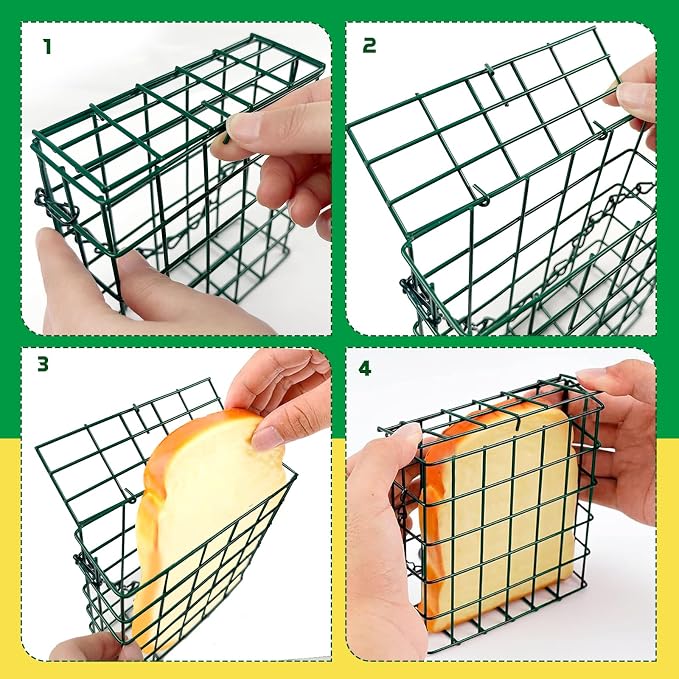
If you want to attract woodpeckers, nuthatches, or other clinging birds, consider a suet feeder or a peanut feeder. Hummingbird enthusiasts will need a dedicated nectar feeder with bright red accents and small ports. The key is to match the feeder design to the feeding habits of your local bird population.
Quick tip: Start with two or three feeder types rather than one. Different birds prefer different feeding styles, and variety is the fastest way to increase backyard activity.
Placement Matters More Than You Think
Even the best feeder will go unnoticed if it is placed poorly. Position feeders within 10 to 15 feet of trees or shrubs so birds have a safe retreat when they feel threatened. At the same time, keep feeders at least 3 feet away from windows to reduce collision risk, or use window decals and screens as an extra safeguard.
Mounting height also plays a role. Ground feeders should sit low, while tube and hopper feeders are often best hung or pole-mounted at 5 to 6 feet above the ground. This height keeps seed accessible while making it harder for squirrels and other animals to raid the supply.
Outdoor Accessories That Complete the Setup
Bird feeders are only part of the picture. A well-designed feeding station often includes accessories that improve convenience, hygiene, and bird safety. Consider adding:
- Squirrel baffles to protect seed from persistent raiders.
- Seed trays and weather guards to keep food dry and reduce waste.
- Pole systems and hanging brackets for flexible placement.
- Birdbaths to provide clean water for drinking and bathing.
- Cleaning brushes for regular feeder maintenance.
These accessories may seem minor, but they make a major difference. A squirrel baffle alone can save pounds of seed each month, while a birdbath can attract species that rarely visit feeders at all.
Keep It Clean and Safe
Regular cleaning is one of the most important parts of responsible bird feeding. Dirty feeders can spread disease and mold, especially during warm or damp weather. Aim to clean feeders every one to two weeks, and more often during heavy use. Use a mild bleach solution or a bird-safe cleaner, rinse thoroughly, and allow everything to dry completely before refilling.
Discard old or wet seed, and replace it with fresh food. Keep the area beneath feeders raked and free of hulls and droppings. A clean feeding station is a healthy feeding station, and healthy birds are more likely to return season after season.
Attracting a Wider Variety of Birds
Food is only one part of the equation. Birds also need water, shelter, and native plants to feel at home. A shallow birdbath with a gentle drip or fountain is especially attractive because the sound of moving water draws birds from far away. Native shrubs and trees provide natural cover, nesting sites, and additional food sources such as berries and insects.
Offer a mix of seeds, suet, and nectar to appeal to different species. Black-oil sunflower seed is a universal favorite, while nyjer seed attracts finches and suet brings insect-eaters in winter. By layering food options and habitat features, you create a yard that supports birds through every season.
Seasonal Care for Year-Round Enjoyment
Bird feeding does not stop when summer ends. In autumn, clean feeders and refresh water sources before cold weather arrives. In winter, keep feeders full and consider adding a heated birdbath in freezing climates. In spring, watch for nesting activity and avoid disturbing brush piles or dense shrubs. Summer feeding is equally valuable, especially during hot, dry spells when natural food and water are scarce.
With thoughtful placement, the right accessories, and consistent care, bird feeders and outdoor accessories become more than decorations. They become a living part of your landscape—a place where birds find refuge and where you can slow down, watch, and connect with the natural world just outside your door.