Arts, Crafts, and Mixed-Media Magic: Working with Papier-Mache, Transfer Paper, Fabric, and Charms Beads
The world of Arts Crafts is never short of texture, color, or possibility. A single afternoon at the worktable can turn humble scraps into something personal and expressive. Among the most rewarding materials to combine are Papier-Mache, Transfer Paper, Fabric, and Charms Beads. Each brings a different personality to a project: papier-mache offers sculptural freedom, transfer paper adds precision, fabric supplies softness and pattern, and charms beads introduce sparkle and movement. Together, they invite crafters to slow down, experiment, and build layered pieces that feel collected rather than manufactured.
Start with the Shape: The Freedom of Papier-Mache
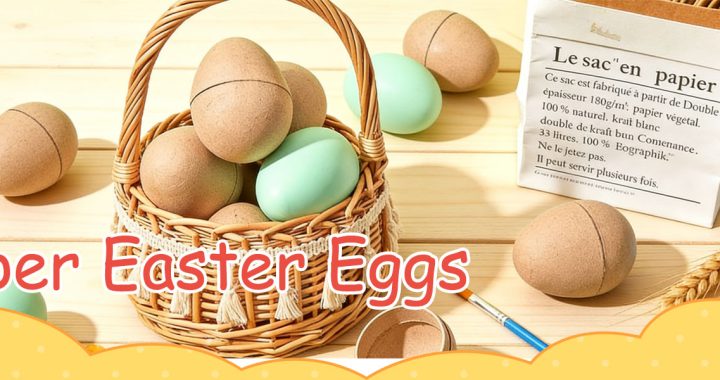
Papier-Mache is one of the most forgiving craft materials. Strips of paper, a simple paste, and a little patience can become bowls, masks, frames, ornaments, or sculptural figures. The process is wonderfully tactile. You tear paper instead of cutting it, dip it into paste, and smooth it over a form. Each layer adds strength and character.
For beginners, a balloon or cardboard base is an easy starting point. Build three to five layers, letting each layer dry fully before adding the next. The result is lightweight but sturdy. Once dry, papier-mache accepts paint, decoupage, and mixed-media embellishments beautifully. It can be rustic and organic, or smooth and refined, depending on how much sanding and finishing you choose to do.
Why Crafters Love It
- Affordable: scrap paper and household paste make it accessible.
- Flexible: almost any shape can become a base.
- Forgiving: mistakes disappear under another layer.
- Lightweight: finished pieces are easy to display or hang.
Transfer Paper: Precision Meets Play
When a papier-mache piece needs a specific pattern, lettering, or delicate motif, Transfer Paper becomes a quiet hero. It allows you to move a design from sketch to surface without redrawing every line. Place the transfer paper face down on the project, lay your pattern on top, and trace with a pencil or stylus. The pressure releases pigment onto the surface below, giving you a guide for painting, stitching, or embellishing.
Transfer paper is especially useful on curved or uneven surfaces where freehand drawing feels risky. It works well on fabric, wood, canvas, and sealed papier-mache. Choose a light-colored transfer sheet for dark surfaces and a dark sheet for light surfaces. Always test on a scrap first, and trace with a light hand. The goal is a clear guide, not a heavy carbon copy.
Crafting tip: Keep your transfer lines faint. They are a map, not a mandate. Let paint, fabric, and charms beads cover the route in your own way.
Fabric: Soft Texture in a Structured World
Fabric softens the hard edges of mixed-media work. A strip of linen can become a hanging loop; a square of calico can line a papier-mache bowl; a scrap of velvet can add richness to a handmade brooch. Fabric also brings pattern and color into play without requiring a full sewing project.
For no-sew crafters, fabric can be attached with decoupage medium, fabric glue, or simple stitching. Frayed edges can be part of the charm, especially in rustic or bohemian designs. If you want clean edges, press the fabric with fusible web before cutting. Consider how the fabric will behave: lightweight cotton drapes and folds, while canvas holds structure. Mixing both can create satisfying contrast.
Three Fabric-Friendly Ideas
- Papier-mache bowl: line the inside with patterned fabric and seal gently.
- Fabric collage: layer small scraps under transfer-paper outlines.
- Hanging ornament: combine fabric strips with beads and a papier-mache core.
Charms Beads: The Finishing Sparkle
Charms Beads add movement, shine, and a sense of discovery. A small metal charm can hint at a memory, a hobby, or a secret symbol. A bead can catch the light and draw the eye across a surface. Used sparingly, they feel like jewelry for a handmade object. Used generously, they create a playful, maximalist statement.
Attach charms beads with strong thread, jewelry wire, jump rings, or small pins, depending on the project. On papier-mache, reinforce the attachment point with a little extra paste or a small fabric patch. On fabric, sew through a bead or charm with doubled thread and secure it with a knot. Always check that the piece will hang or sit as intended before committing to the final placement.
Bringing It All Together
A layered mixed-media project might begin with a simple papier-mache heart. Once dry, transfer a floral outline onto the surface with transfer paper. Paint the design, then press a scrap of fabric into the wet paint for texture. Finally, suspend tiny charms beads from the bottom edge with strong thread. The result combines structure, pattern, softness, and sparkle—four materials working in conversation.
The best Arts Crafts projects are not about perfection. They are about curiosity and the willingness to let materials lead. Papier-mache teaches patience. Transfer paper rewards planning. Fabric invites comfort and contrast. Charms beads remind us to add a little delight. Together, they turn ordinary craft time into a small adventure of texture, color, and personal meaning.