More Than Metal: The Enduring Appeal of Collectible, Challenge, and Sobriety Coins
Coins are small, ordinary objects that can carry extraordinary meaning. A rare date in a cardboard holder, a heavy challenge coin passed across a bar, or a sobriety coin tucked into a pocket—each tells a different story. Collectible Coins, Challenge Coins, and Sobriety Coins may share the same round shape, but they live in distinct worlds of hobby, brotherhood, and personal triumph. Understanding those worlds makes every coin more than spare change.
“A coin can be a hobby, a handshake, or a lifeline—sometimes all three at once.”
Collectible Coins: The Thrill of the Hunt
For numismatists, collecting is part history lesson and part treasure hunt. Collectible coins range from ancient Roman denarii to modern proof sets, and the hunt for the next addition can last decades. The appeal lies in rarity, condition, and the story behind the strike. A worn mercury dime may be common, but a key-date Lincoln cent can turn a casual collector into a serious researcher.
- Rarity: Low mintage and survival rates drive demand.
- Condition: Grading scales such as Sheldon or MS-70 can change a coin’s value dramatically.
- History: Coins document emperors, wars, treaties, and forgotten economies.
- Design: Artistic engraving and mint errors add character and competition.
What Makes a Coin Collectible?
Not every old coin is valuable. Collectors look for authenticity, eye appeal, and a coherent theme. Some focus on a single country, others on a metal, a denomination, or a historical era. The best collections feel curated rather than random—each coin answers a question and invites the next hunt.
Challenge Coins: Stories You Can Carry
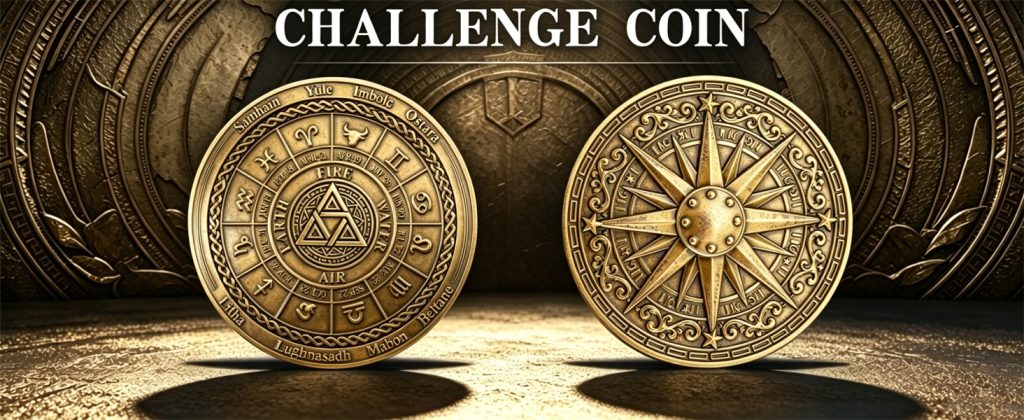
Challenge coins began as military tokens of identity and camaraderie, and they have since spread into police departments, fire halls, nonprofits, and corporate teams. Traditionally, a challenge coin is presented to recognize service, mark membership, or honor a shared mission. The coin is often carried in a pocket or displayed on a desk, ready to be produced when someone “issues a challenge.”
“The value of a challenge coin is not in its metal content, but in the memory of who gave it and why.”
The Rules of the Challenge
Challenge coin traditions vary, but the core ritual is simple: if you are challenged and cannot produce your coin, you may owe a round or a small penalty. The rule is less about punishment than about belonging. A challenge coin says, “I was there, and I am part of this.” Collectors often seek coins from units, events, and organizations they admire, turning a personal token into a broader historical record.
Sobriety Coins: Milestones Made Tangible
Sobriety coins—also called sobriety medallions or recovery chips—mark days, months, and years of freedom from addiction. In recovery communities, receiving a coin at a meeting is a public acknowledgment of persistence. The coin is not a trophy; it is a tool. When cravings rise, holding that coin can reconnect a person to their commitment and to the people who support them.
- One day at a time: Early coins often mark 24 hours, 30 days, or 90 days.
- Annual milestones: Yearly medallions celebrate sustained recovery.
- Personal meaning: Many people engrave names, dates, or short affirmations on the back.
- Service and gratitude: Coins are frequently given to sponsors, mentors, and group members.
Unlike collectible coins, sobriety coins are rarely bought as investments. Their worth is emotional and communal. A scratched or faded coin can be more precious than a mint-condition rarity because it has been carried through the hardest moments.
Where the Three Worlds Meet—and Diverge
All three coin types reward attention. Collectible coins invite research and patience. Challenge coins build identity and camaraderie. Sobriety coins turn abstract progress into something you can hold. They diverge in purpose: one is often about market and history, another about belonging, and the third about survival and hope. Yet they overlap in the human need to mark what matters.
Collecting with Purpose
A thoughtful collector might assemble a themed display: military challenge coins beside historical medals, or recovery tokens alongside personal letters. The result is not just a cabinet of objects but a narrative of service, struggle, and curiosity. The best collections invite conversation—and conversation is where coins become meaningful.
Display, Storage, and Care
Coins are durable, but they are not indestructible. Proper care preserves both value and memory.
- Handle with care: Hold collectible coins by the edges to avoid oils and fingerprints.
- Use archival materials: Acid-free holders and capsules protect surfaces from corrosion.
- Avoid aggressive cleaning: Cleaning can strip patina and reduce value; consult a professional first.
- Control moisture: Store coins in a dry, stable environment away from direct sunlight.
- Display with intention: Shadow boxes, felt trays, and rotation frames work well for challenge and sobriety coins.
The Bottom Line is simple: whether you chase rare dates, trade challenge coins with teammates, or carry a sobriety medallion as a daily reminder, these small objects do large work. They connect us to history, to each other, and to the person we are becoming—one coin, one milestone, one story at a time.